Ethnography is:
the “descriptive study of a particular human society or the process of making such a study. Contemporary ethnography is based almost entirely on fieldwork and requires the complete immersion of the anthropologist in the culture and everyday life of the people who are the subject of his study.” (Brittanica).
‘the recording and analysis of a culture or society, usually based on participant-observation and resulting in a written account of a people, place or institution’ (Simpson, B. & S. Coleman 2017. Ethnography. Glossary of Terms. Royal Anthropological Institute (available on-line: http://www.discoveranthropology.org.uk)
‘The ethnographic method is called participant-observation. It is undertaken as open-ended inductive long-term living with and among the people to be studied, the sole purpose of which is to achieve an understanding of local knowledge, values, and practices ‘from the “native’s point of view”’. (https://www.anthroencyclopedia.com/entry/ethnography#h2ref-5)
WEEK 1
Documentary photography is “a style of photography that presents a straightforward and accurate representation of people, places, objects and events, and is often used in reportage.” (tate.org).
It is not always quite so straightforward. The photographer may have a particular agenda and may have perspectives that are at odds with those of his subjects. A clear example of this is Martin Parr, whose work has aroused controversy for those reasons – see in particular Last Resort depicting days out at New Brighton, Liverpool. The people are shot in garish colour (Parr used flash in daylight) and in unflattering poses and situations as well as unflattering light, often surrounded by piles of rubbish (he was later accused of having staged them).
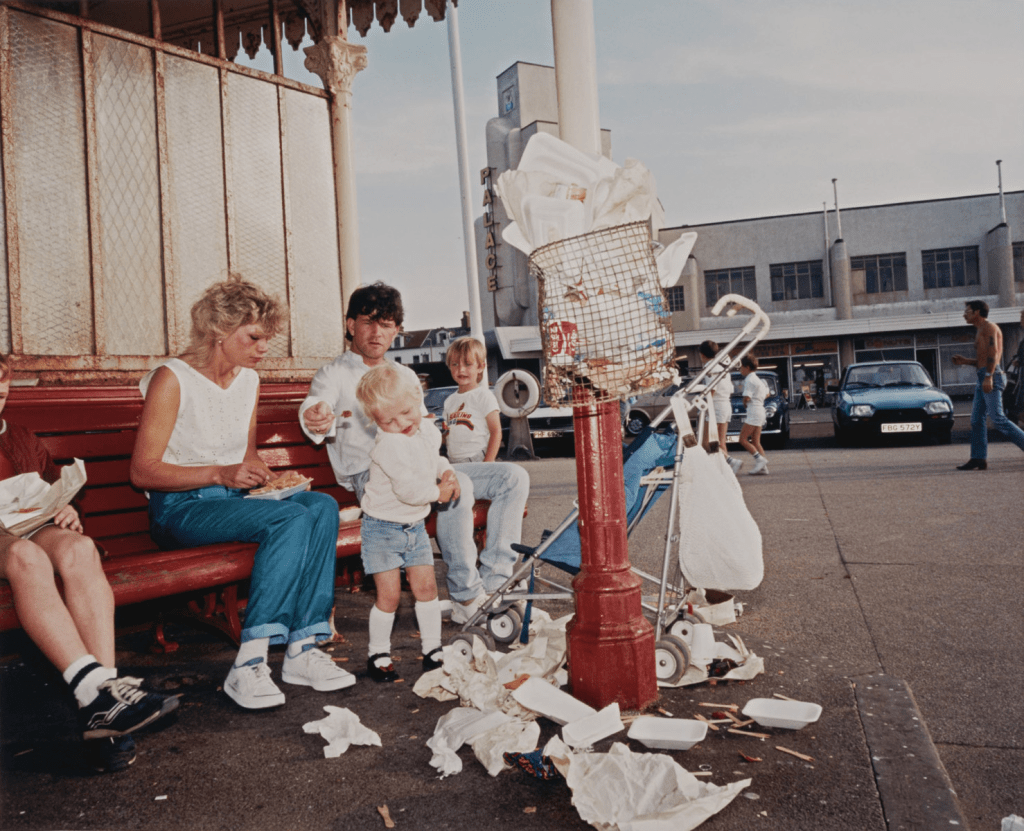
In the BBC television documentary series Signs of the Times made in 1992 in collaboration with filmmaker Nick Barker, people speak about their interior decor choices. It is considered an early version of the reality television that is such a mainstay in today’s landscape. In order to gain access to people’s homes a call out was placed in the national and regional press asking for volunteers for a programme documenting people’s homes and tastes. As with Last Resort, the films leave an unpleasant taste as they essentially lampoon and implicitly sneer at the subjects. For an excellent review of Parr’s autobiography in 2025, see Rosemary Hill in the London Review of Books (https://www.lrb.co.uk/the-paper/v47/n20/rosemary-hill/saturdays-at-the-sewage-works) where she quotes Parr, in relation to the film’s subjects, admitting that “I guessed we pushed them into that situation”. As Hill notes, ” as images become historic they reflect the creator as much as the subject. Signs of the Times leaves a nasty taste.”
Mass Observation Unit
It ran from 1937 until the mid-1960s and was set up to document everyday life in Britain. As well as involving around 500 volunteers in keeping diaries of their observations and experiences it also a questionnaires to ask them specific questions about them, including conversations and behaviours they observed in a variety of settings (church, on the street, at work, sporting events etc). It was set up by Tom Harrisson (an anthropologist), Charles Madge (poet) and Humphrey Jennings (filmmaker). The team also included painters, novelists and photographers. Its contribution was particularly strong during the war but the project received no public funding except when it was commissioned for specific purposes by the government, mostly propaganda for the Ministry of Information. It also raised funds through publishing a number of books.
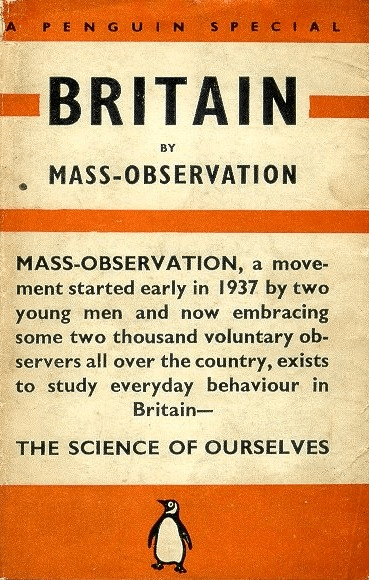
Topics explored in depth included, for example, attitudes to and practices around the celebration of Christmas: see https://martinjohnes.com/2022/12/09/christmas-and-mass-observation-studying-traditions-emotions-and-people/ for an analysis of this work in a paper given at the 80th anniversary conference at the University of Sussex.
It ended up being a private firm and merging with the advertising agency J Walter Thomson in the 1990s. It still operates in reduced form today, inviting contributions from volunteers each year, using them as a source of qualitiative, longitudinal data: see https://massobs.org.uk/the-archive-collections/. The pre-privatisation archive is also held at the University of Sussex: https://massobs.org.uk/
The Farm Security Administration Historical Section (1937 – 1946)
The Historical Section was the photography section of the publicity department of the FSA and was set up in 1937 (originally as part of the Resettlement Administration (the earlier incarnation of the FSA and in 1942 when the US joined the war, became part of the Office of War Information). Its task was to not only record photographically but to promote and defend Roosevelt’s New Deal initiative in providing assistance to poor farmers, sharecroppers, tenant farmers and migrant workers suffering as the result of both the Depression and the disastrous environmental effects of over-ploughing, especially in the mid-West (the ‘Dust Bowl’ states). Assistance under the FSA included re-settlement, government loans and the building of camps for the dispossessed and was controversial, with government intervention being regarded by some as ‘socialist’ and the realities of poverty largely disregarded or dismissed by urban elites. To overcome and counteract opposition to these measures, the Historical Section was tasked with documenting the lives of those affected, with a view to evoking sympathy and support for the RA and later the FAS programmes.
The Section was headed by Roy Stryker, an economist, who employed a revolving team of around 10 photographers, most of whom went on to become exemplars of documentary photography after WW2. These included Dorothea Lange, Arthur Rothstein, Jack Delano, Marion Post Wolcott, Russell Lee, and Walker Evans.
The project was possibly one of the first to reveal the dichotomies between documentation, on the one hand, and public information v propaganda on the other. While it may be that the two can never be entirely disentangled and propaganda need not be considered a dirty word if used in service to one’s preferred goal, it is clear that the work of the HS was indeed propaganda. Stryker reportedly issued pages of instruction to the photographers in the field detailing not only the sorts of props he wanted to see (eg pressed clothes, baseball pitches) but also “pictures of men, women, and children who appear as if they really believed in the U.S.”.[1]
Of the approximately 270,000 images captured by the FSA photographers, around 100,000 were ‘killed’ by Roy Stryker for not presenting a strong enough image, either in terms of the organisations objectives or, more simply, visually. This he did by punching holes in the negative. For example:
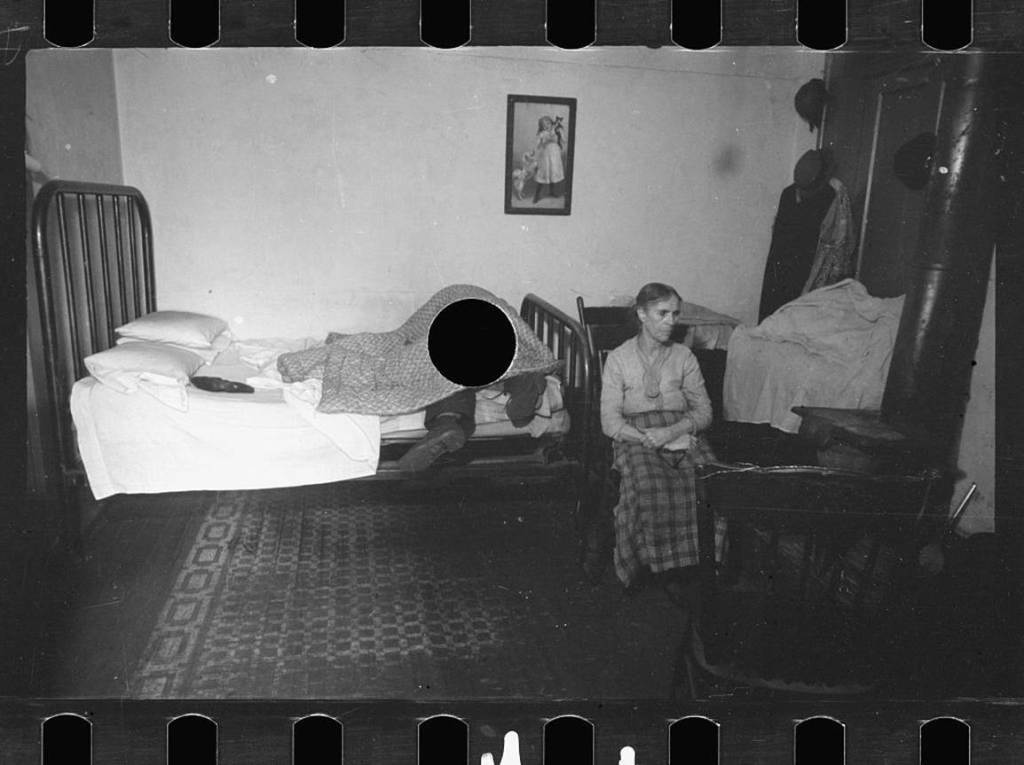
They could not then be released for publication in the press but, as Eisen states:
[T]he strange contradiction at the heart of the killed negatives … is that in an important sense they weren’t killed: the hole-punched photos remain in the Library of Congress, preserved by Stryker himself, and the Pittsburgh Photography Library images deemed unfit for the archives have instead come to comprise their own separate archive in the same building, a sort of Salon des Refusés [2]
Despite black families in the South actually being cleared by the government to make way for the re-settlement of ‘Okies’ from the Dust Bowl,[3] Stryker wrote to Lange I 1936 advising her to “take both black and white, but place the emphasis on the white tenants, since we know that these will receive much wider use”. [4]
Exhibitions and newspapers more readily selected white images than non-white. Meighen-Katz considers that the photographers of the Historical Section attempted to reframe the agency’s target clients as ‘‘salt of the earth’’ American stock, descended from the pioneers. The FSA’s focus on types such as the Madonna and the Stoic elevated a certain class of “deserving poor” above those who were beyond the bounds both of being photographed and receiving material aid. [5]
For example, in Lange’s photo captioned ‘Migrant Mother’[6], an older child, ‘whose age might suggest an early advent into sexual behaviour by her mother, and piles of dirty laundry, are both framed out across the series, lest they draw censure from the intended audience and could detract from her aim of ‘convincing her audience that those aided by the FSA were not degenerates who had created their own misfortune’.[7]
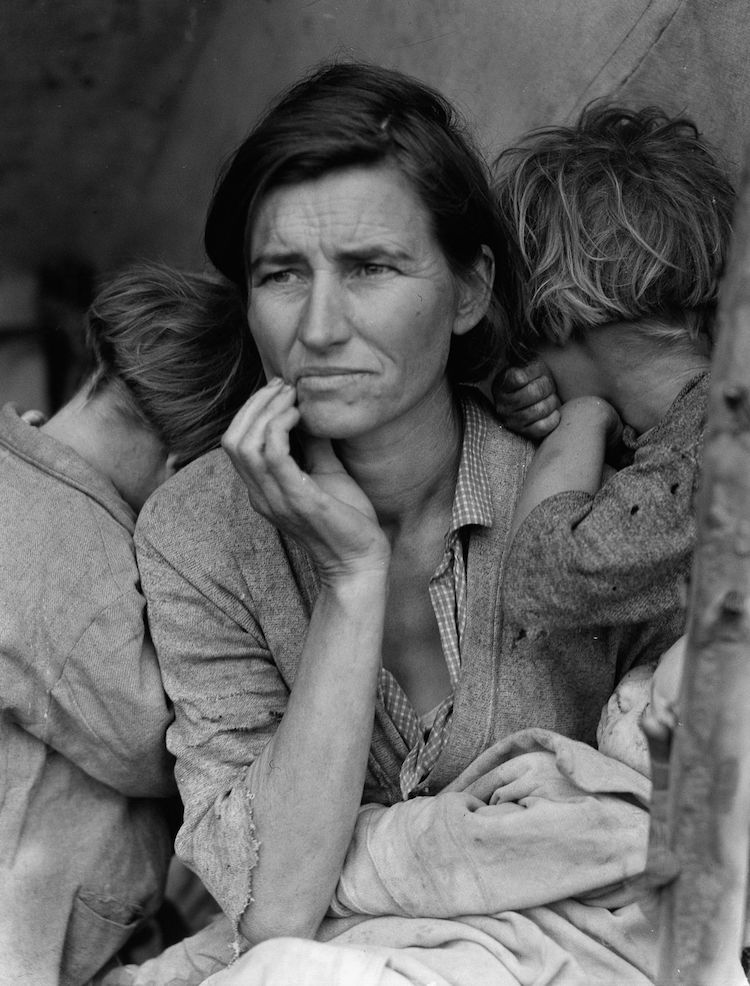
This photo is the most famous of a series of ten taken by Lange but was carefully cropped to focus on the woman’s face for greater impact.

At the time she took the images, Lange said that she did not know the woman’s name but only knew her age and circumstances. Forty years later, the woman’s name was revealed. She later denied that she had given permission to Lange to take her photograph and that Lange had never asked for her name. In addition, she had apparently promised the subject that she would send her a copy but never did.
[1] Roy Emerson Stryker and Nancy Wood, In This Proud Land: America 1935–1943 as Seen in the FSA Photographs (Greenwich, CT: New York Graphic Society, 1973), 7; 187–88.
[2] Eisen, E ‘The Kept and the Killed’, The Public Domain Review, January 26, 2022. https://publicdomainreview.org/essay/the-kept-and-the-killed/
[3] Jane Adams and D. Gorton, “This Land Ain’t My Land: The Eviction of Sharecroppers by the Farm Security Administration”, Agricultural History (2009): 323–51.
[4] Cited in Nicholas Natanson, The Black Image in the New Deal: The Politics of FSA: University of Tennessee Press, 1992), 4.
[5] Meighen Katz, “A Paradigm of Resilience: The Pros and Cons of Using the FSA Photographic Collection in Public History Interpretations of the Great Depression”, The Public Historian 36.4 (2014): 8–25.
[6] There are a series but the best known one is in close up. For the whole series and some of the controversy around them see https://mymodernmet.com/dorothea-lange-migrant-mother/
[7] Supra at 14.
WEEK 2
Criticising photographs –
This presents a very useful checklist of tools for reading a picture.
Describe
- What is happening in the work? What do you see?
- What is in the foreground/background?
- What is the setting? Is the work realist or abstract?
- What is the story?
- What do you see that makes you say that?
- What clues are provided that tell you more about the subject?
- What clues tell you when and where the work was made?
Analyse
- What is the composition and how is it framed? (rule of thirds, balance etc)
- Line: strong, dominant, thin, horizontal, vertical, diagonal, directional, broken, structural, curved etc
- Colour and value: warm, cool, light, dark, solid, transparent, bright, dull, monochromatic, realist, abstract
- Texture: smooth, rough, soft etc
- Space: perspective, foreground, middle ground, background, point of view
- Contrast: colour, scale, shape, tone, positive/negative space
- Emphasis (how is your eye led): rhythm, pattern, movement, balance (symmetrical/asymmetrical, radial), unity, repetition, motifs
- What is the focus in the work and how is it achieved?
Interpret
- How does the work evoke feelings, ideas, images?
- How has the artist achieved this using using the elements and principles of design?
- What do you think is the subject or theme of the work? Why?
- What message or meaning do you think the work communicates?
- What do you think is the purpose of the work? What does it mean?
- What is the function of the work (political, religious, social etc)
Evaluate
- Have your perceptions/feelings about the piece changed?
- Does the work possess a high technical or conceptual skill?
- Is this an effective piece of work? Why or why not?
Project planning
I also began planning for my project. I propose to take photographs of participants at the bi-annual Bull Sales held in Stirling Market each October and February. The next show/sale is on 1 – 2 February, rather earlier in the year than I would have liked. A show of the cattle to be sold on the Monday is held on the Sunday but I propose only to take photos at the Sunday show, followed by the dinner and prizegiving, as I feel that the sale is of a different order to the show and merits a separate project.
The sales include pedigree cattle only, with a number of breeds represented. Each breed has its own show and auction. As a former Beef Shorthorn breeder with a major herd named Dunsyre Beef Shorthorns, I am very well acquainted with the people involved in that breed and will focus on the Shorthorn show. Because of this personal connection as a former participant, I feel that many of the ethical issues will be resolved. This means I can observe the proceedings with an insider’s understanding as well as feel comfortable with taking ‘fly on the wall’ type images of the participants, and they with me. Nonetheless, I will inform subjects of what I am doing, as appropriate.
I am very clear that in no sense am I intending to carry out any kind of anthropological or ethnographic research. Rather, I intend to take documentary images with an ethnographic slant, insofar as the subjects will be people engaged in a specific cultural activity in a specific sociological context, with a view to simply recording it and, hopefully, making some interesting images. No theoretical framework will be employed in interpreting them and no hypotheses, far less conclusions, will be put forward. I am very clear that this course is part of a Creative Practice programme and that my sole interest is in image making, albeit the images I will take will hopefully tell a story. What any viewer makes of the images is up to them. since the primary focus of my project is merely to try to capture something of the the flavour of an event that brings together people with specialsed knowledge and interests in common.
Cattle breeders normally live and work in relative isolation from each other: like all such events (amateur sports, agricultural shows in general etc), the Bull Sales are both a social gathering and a competition. The two activities are closely related. To level the playing field, all animals entered for the sale must also be entered for the show and vice versa (with some limited exceptions ie where an animal is not within the age range of any class or where a draft of animals is being sold at the same time). While some breeders (notably, hobby farmers) are interested primarily in the prestige among their peers if their animal wins a prize, the majority enter the show for commercial reasons. Prizewinning animals wear their rosettes in the ring and the winning of prizes may be mentioned in the catalogue of subsequent sales. The judge’s opinion may or may not be reflected in the sale price .
While sale day is more critical in practical terms to most breeders than the show, I have chosen to focus on the day of the show only. It is the more congenial of the two days and the day when exhibitors can enjoy the day out and take pride in preparing and showing off their beautifully turned out animals before the stress of the subsequent sale, where reputatations as well as profits will be at stake.
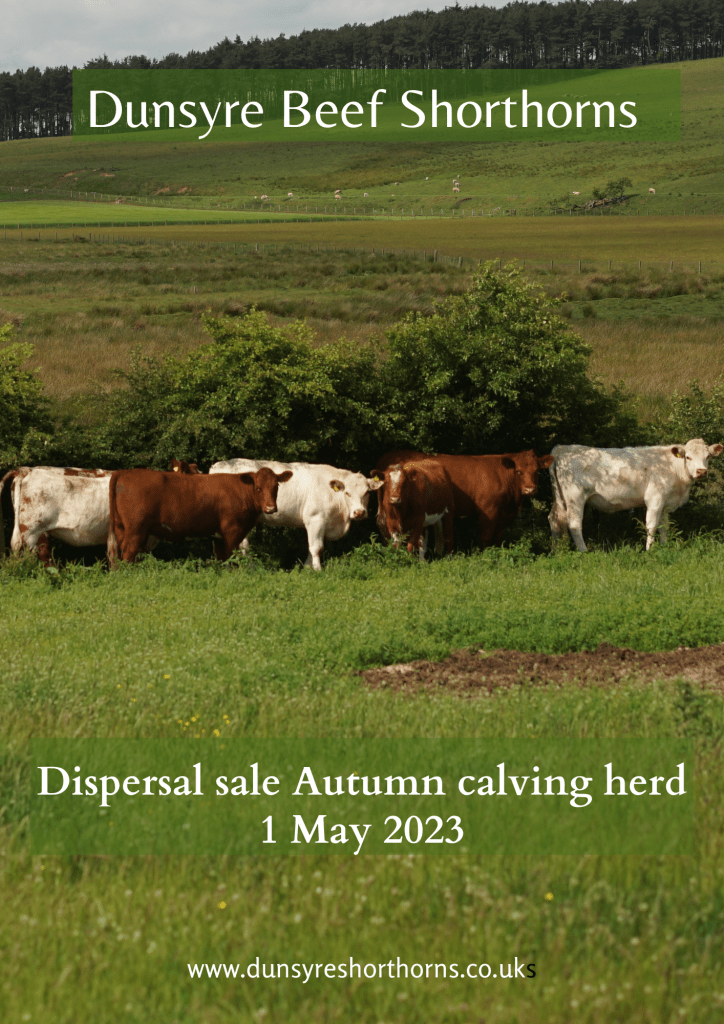
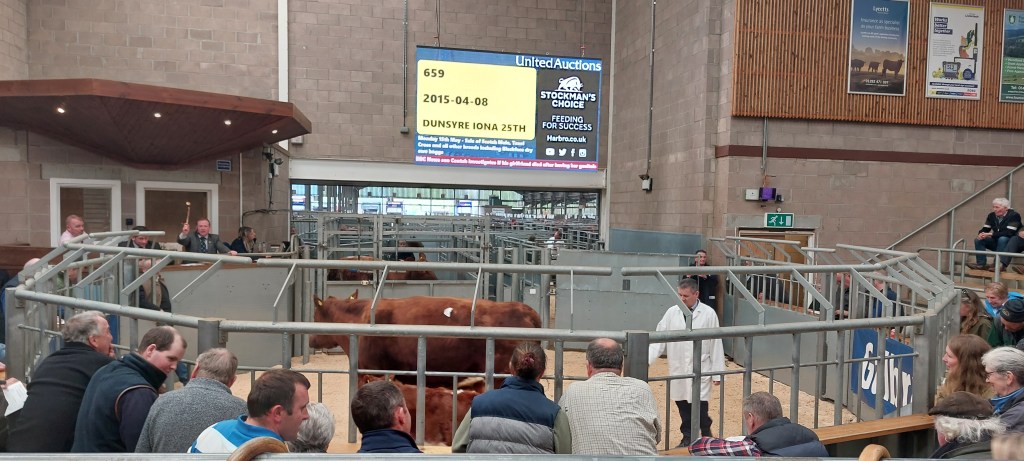
The following images demonstrate my former participation in cattle sales.
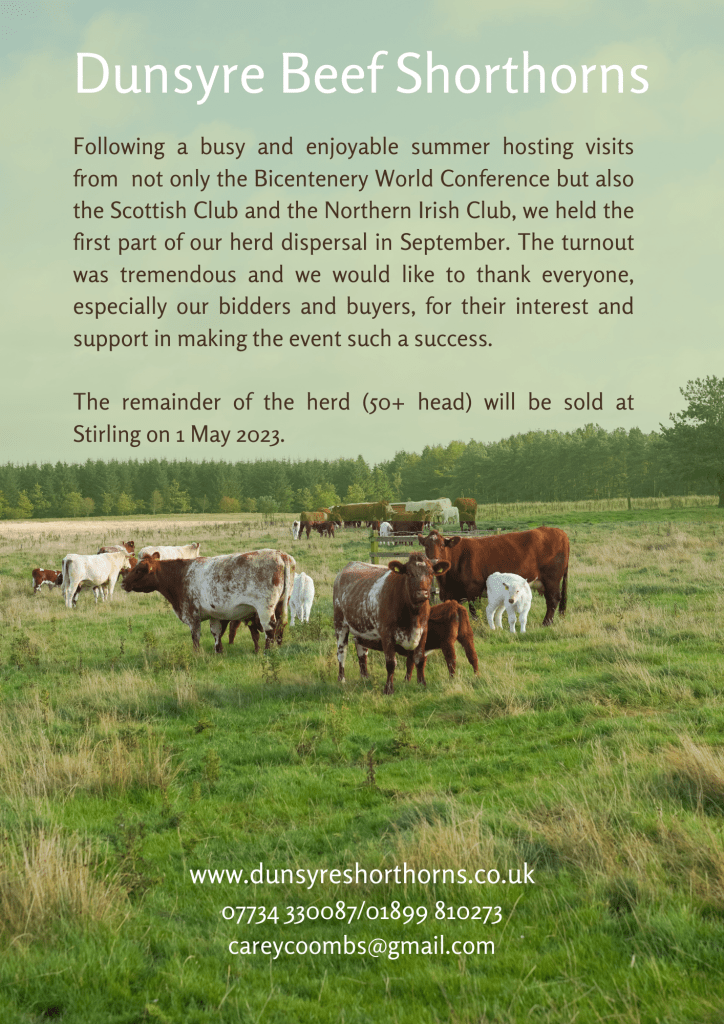
Advert in journal of the Beef Shorthorn Society 2023
Poster advertising sale of Dunsyre Shorthorns at Stirling 2023
Photograph of Dunsyre Iona 25th in the auction ring 2023
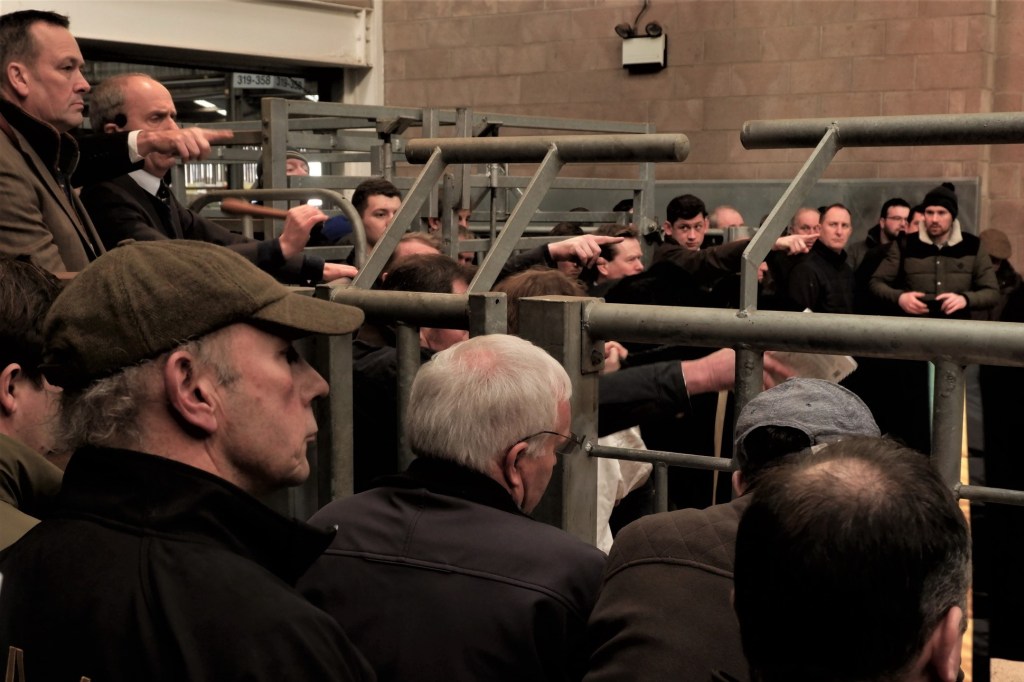
This image was taken on 3 February 2020 at Stirling Market. It shows men clustered in a semi-circle around barriers, many pointing their fingers towards the centre. What are they looking at and pointing to? The man in profile in the foreground ha strong features and is wearing a baseball cap. The man in the background far right is wearing a wooly hat. It suggests the environment is cold, as does the other clue that they are all wearing thick jackets. One dark haired man in the background is not only pointing to the centre but also looking intently as something or someone to his right, as if giving a signal. My eyes were drawn immediately to him. The colours are dark and subdued and probably a little too saturated. There is little contrast in tone, apart from the grey hair of the man in the centre foreground. All the men are looking in the same direction at something happening off the edge of the right hand side of the image. I would be able to take a guess that there was some kind of spectacle going on but would probably have to have been to a similar event to know that this was in fact taken during the course of a cattle auction.
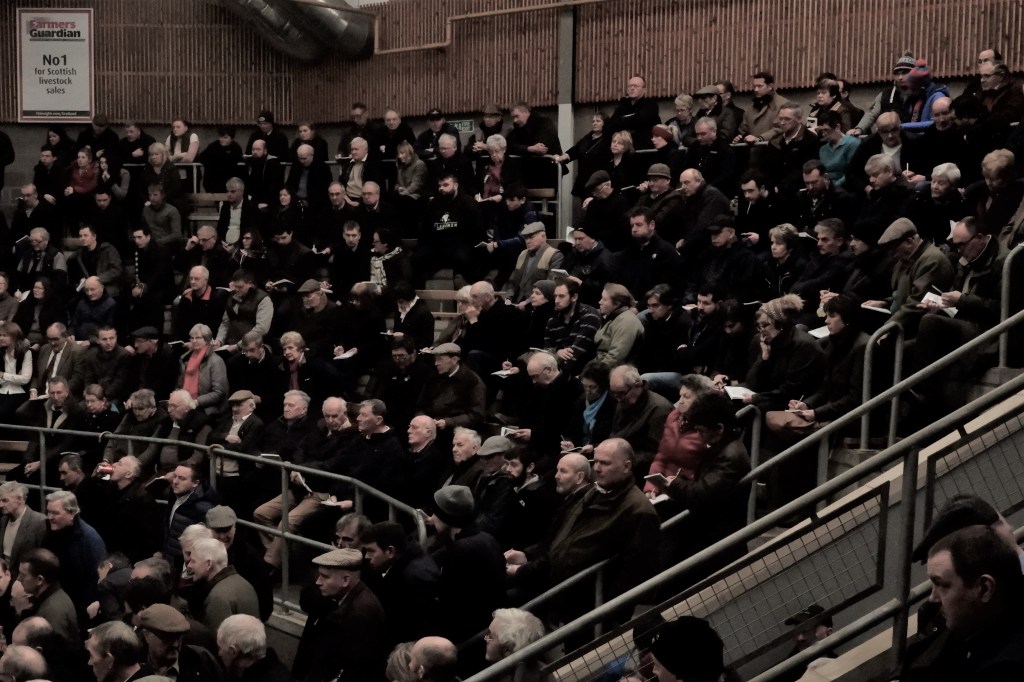
A similar story is told in this image except that the poster seen in the top right of the frame makes the context clear. This time, the subjects are sitting on tiered benches as if in a theatre, rather being close to the action. The uniformly black outfits – except for the woman with the red scarf on the left and the woman in the light brown jacket on the right – make for a sombre atmosphere, as if they were at a funeral or simply trying to blend into the background. Most of them are male and middle aged to elderly, as is obvious from the number of bald or grey heads. The fact that very few are wearing headgear, unlike in the previous photo, suggests that it is warm and they have settled in for the duration, in contrast to the the men in the previous photo (this position is usually taken up by those individuals moving back and forth between the cattle pens behind the ring and the ring itself). Could the demographic mean they are mostly retired farmers and simply having a day out, rather than being potential bidders? Does it reflect the aging farmer population? Or does it reflect the greater purchasing power of older breeders who may be in a better position to pay pedigree cattle prices? Most of the subjects sit impassively, giving nothing away, as is normal during an auction, but my eye was drawn to the a man sitting just off centre near the back of the frame, puffing out his cheeks. Is he surprised or disappointed at the bids being made? Or perhaps the hammer price?
I began reading one of the recommended texts: Pink (S) (2020) Doing Visual Ethnography (Sage).
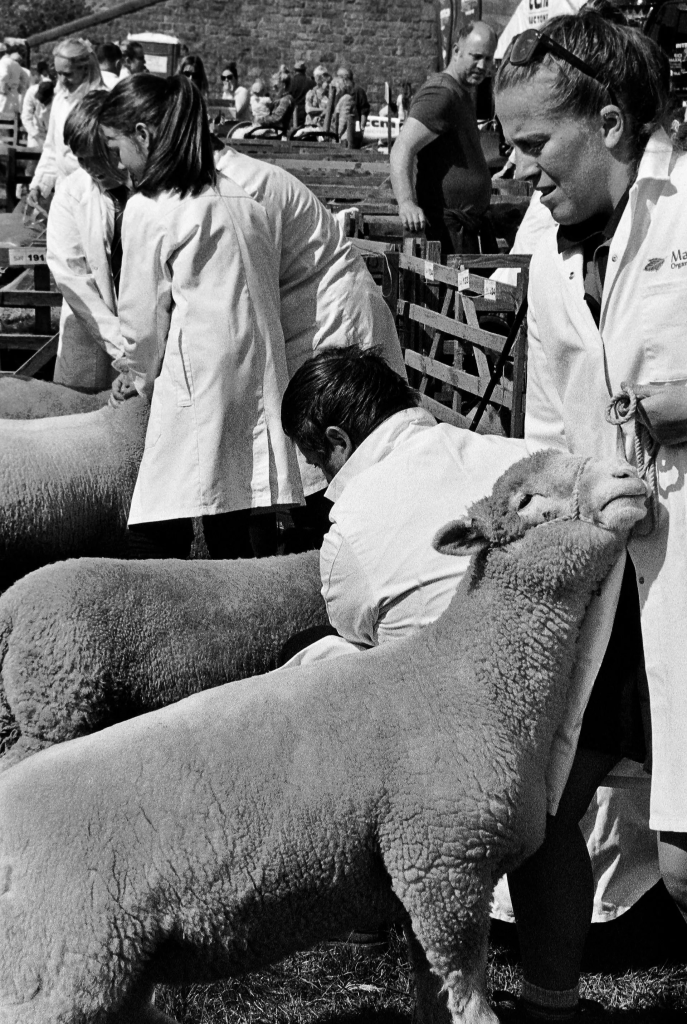
I have been looking for photographers doing similar work. Many focus on publicity photographs for breeders but some are using the subjects of agricultural shows for more documentary purposes.
https://www.davidwright.photography/agricultural-shows
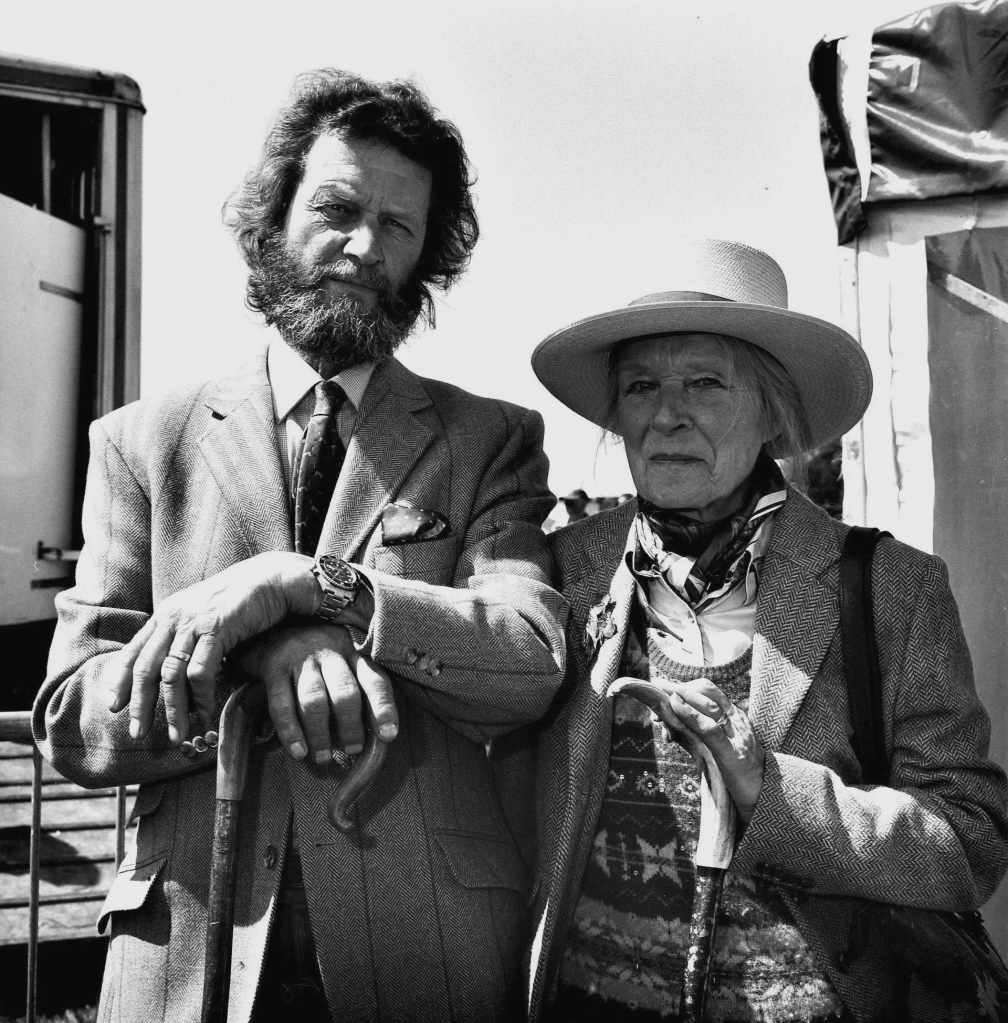
Country couple, Otley Show, Yorkshire, 2023
Preparing the sheep for showing, Otley Show, Yorkshire 2023
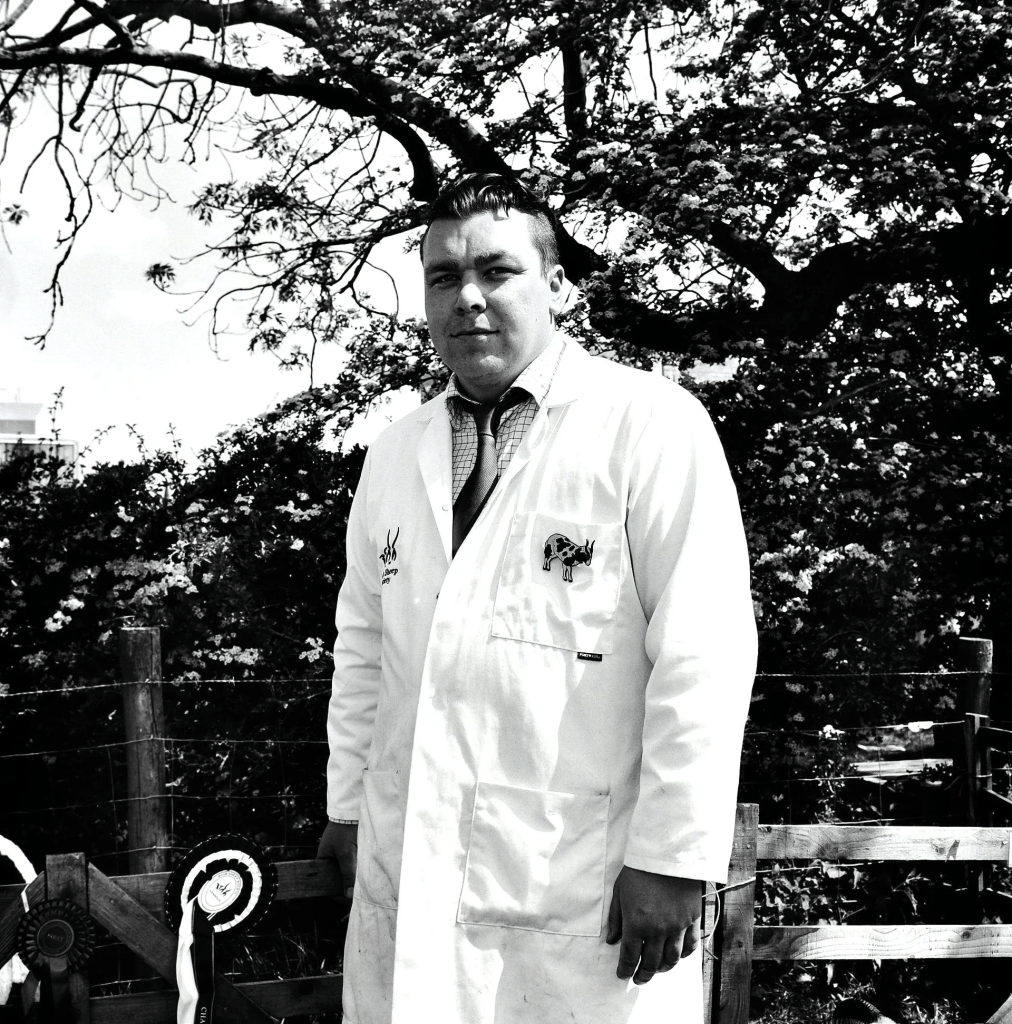
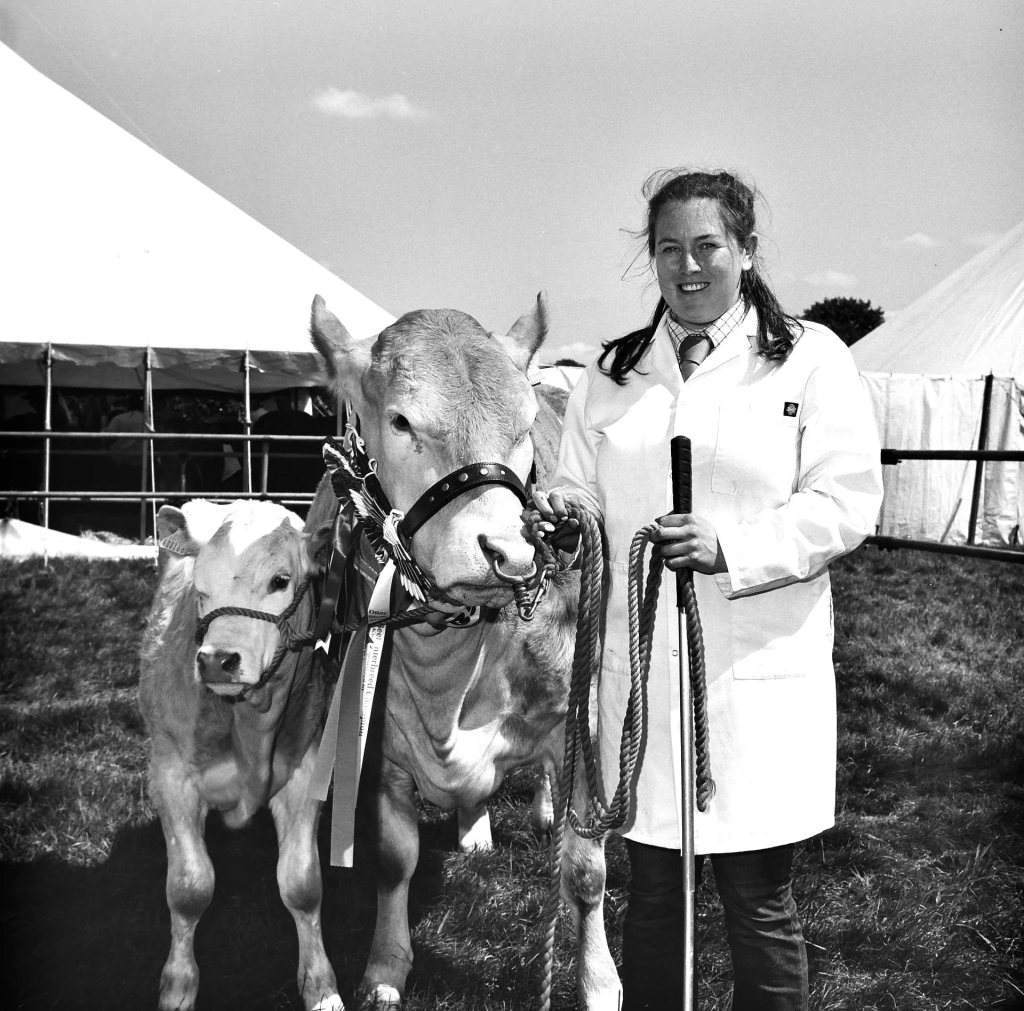
The Stockman, Otley Show, Yorkshire, 2023
Prizewinning cow and calf, Otley Show, Yorkshire, 2023
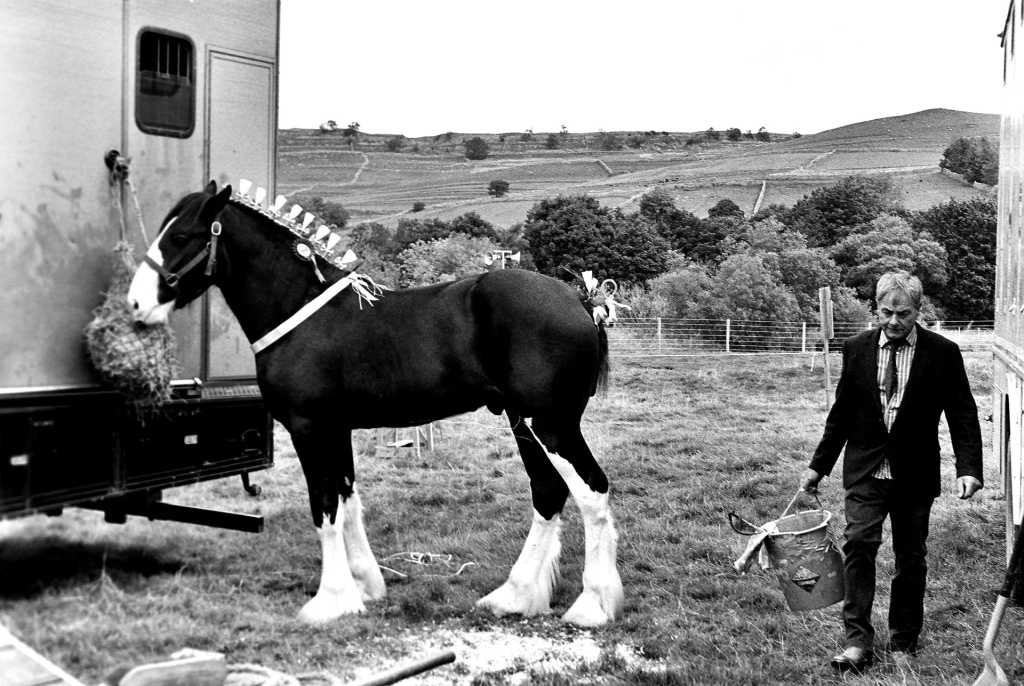
Shire horse, Kilnsey show, Yorkshire, 2021
https://www.pelcombportraits.co.uk/Blog/Pembrokeshire-County-Show
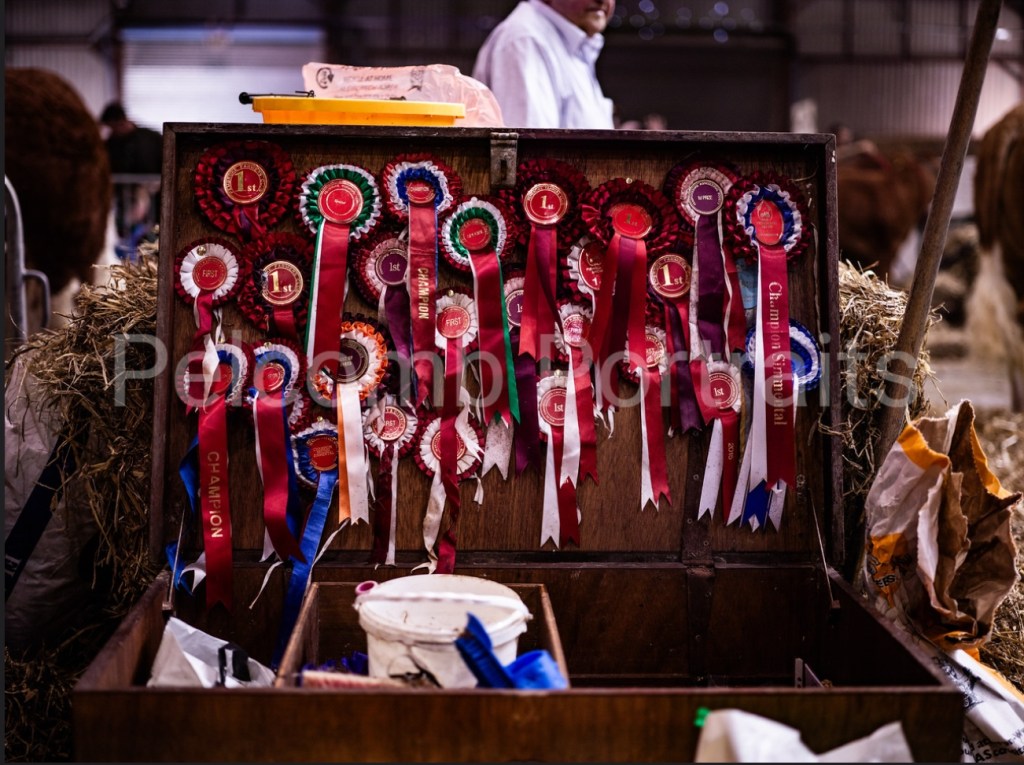
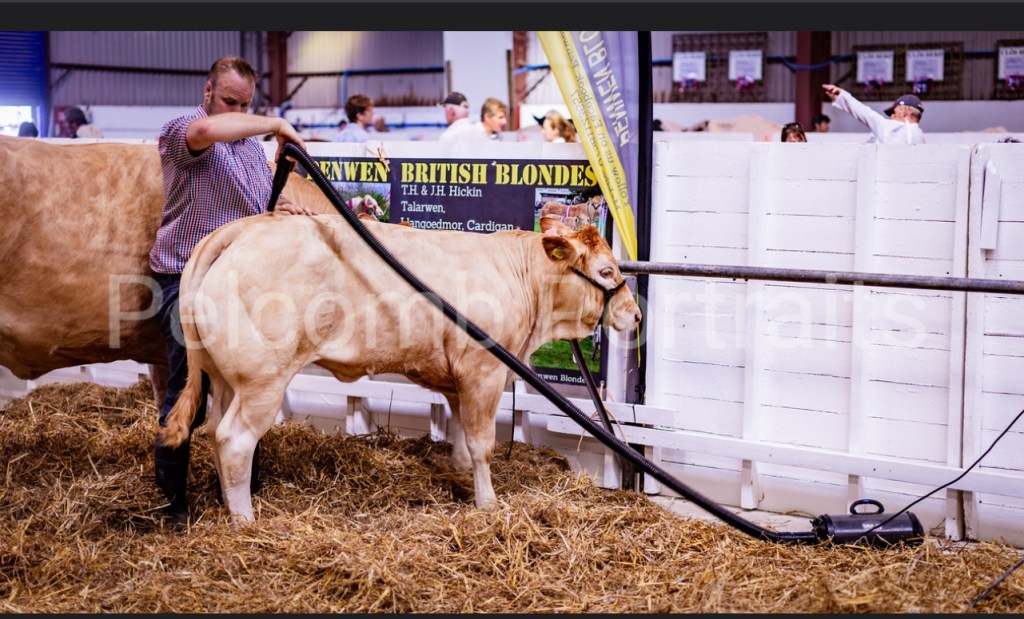
First in class, Pembrokeshire Show
A little light housework, Pembrokeshire Show
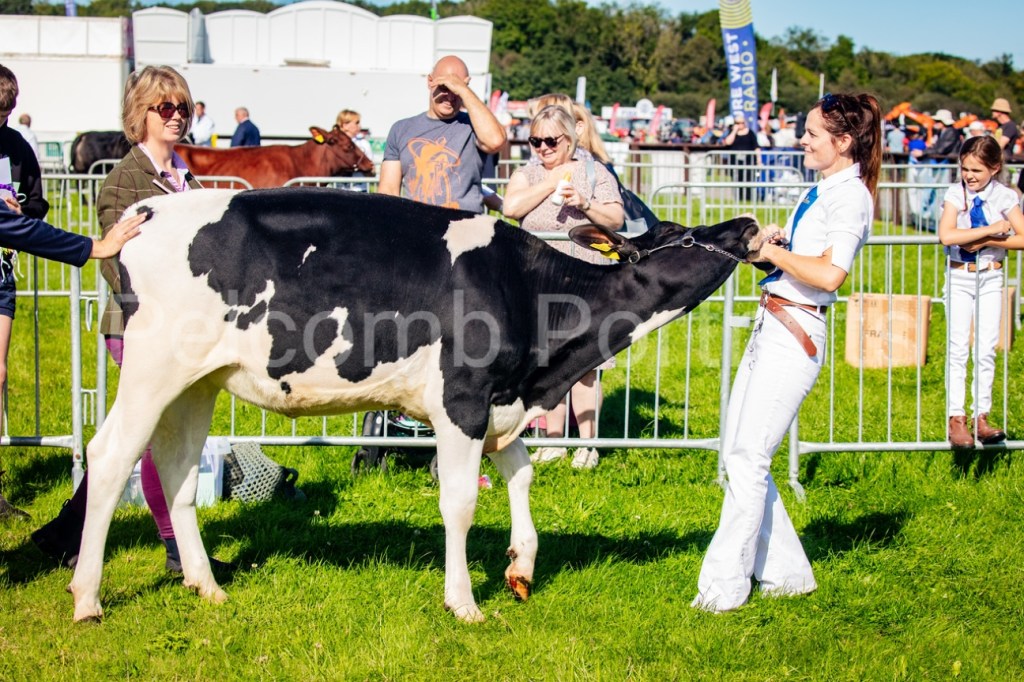
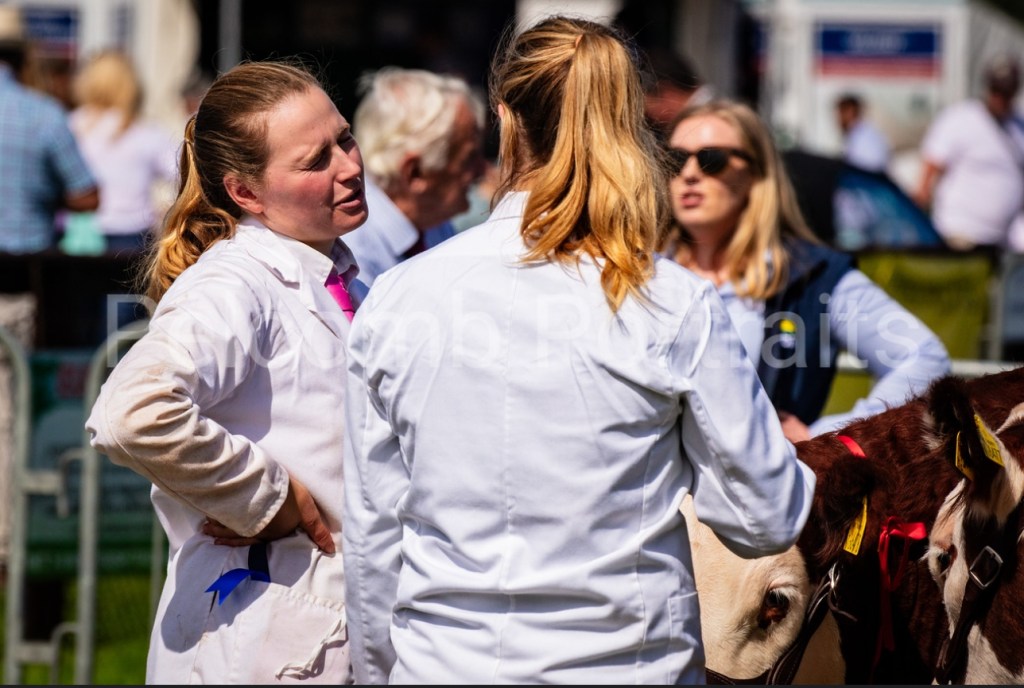
A helping hand, Pembrokeshire Show
Hipsters assemble
 Creative Practice